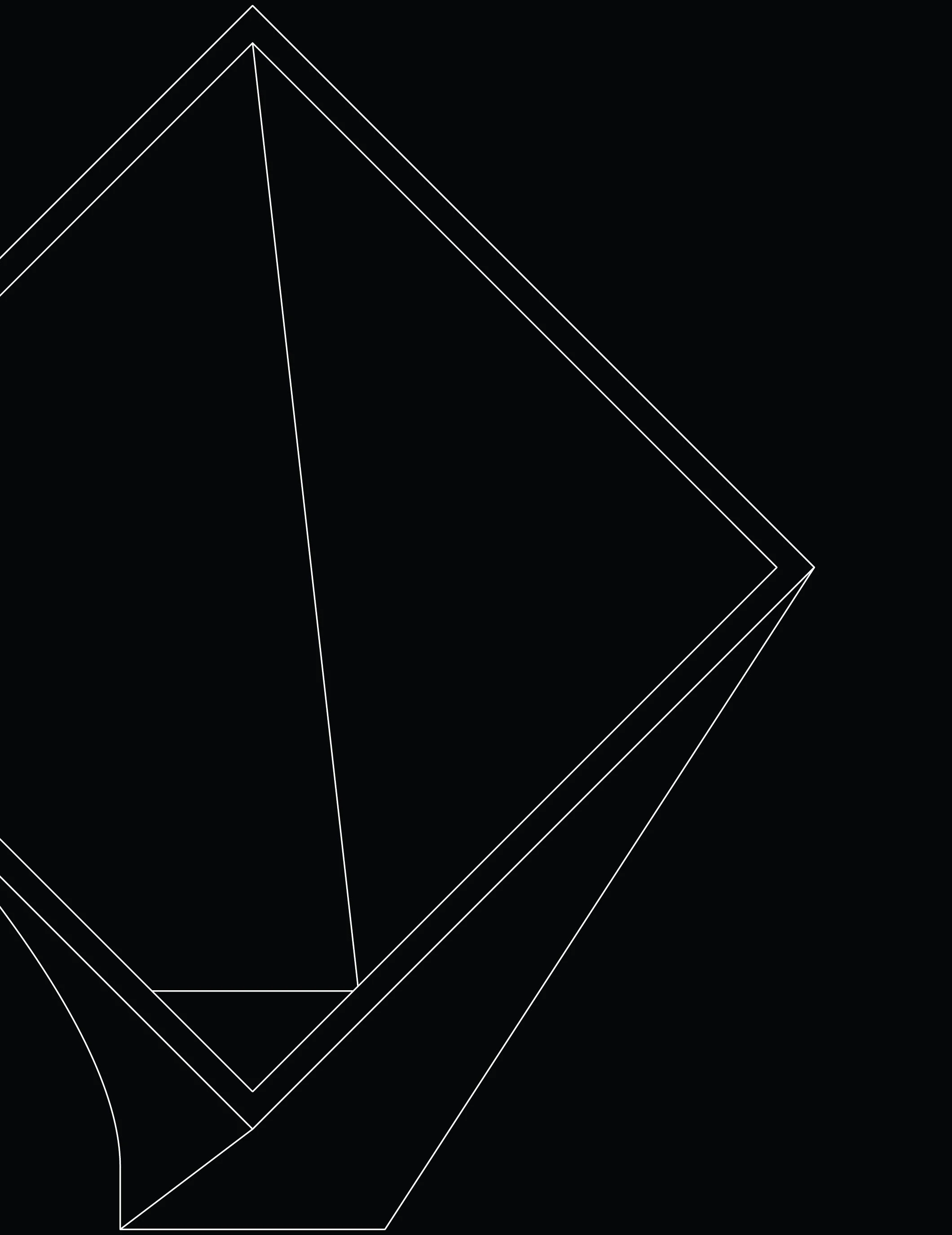
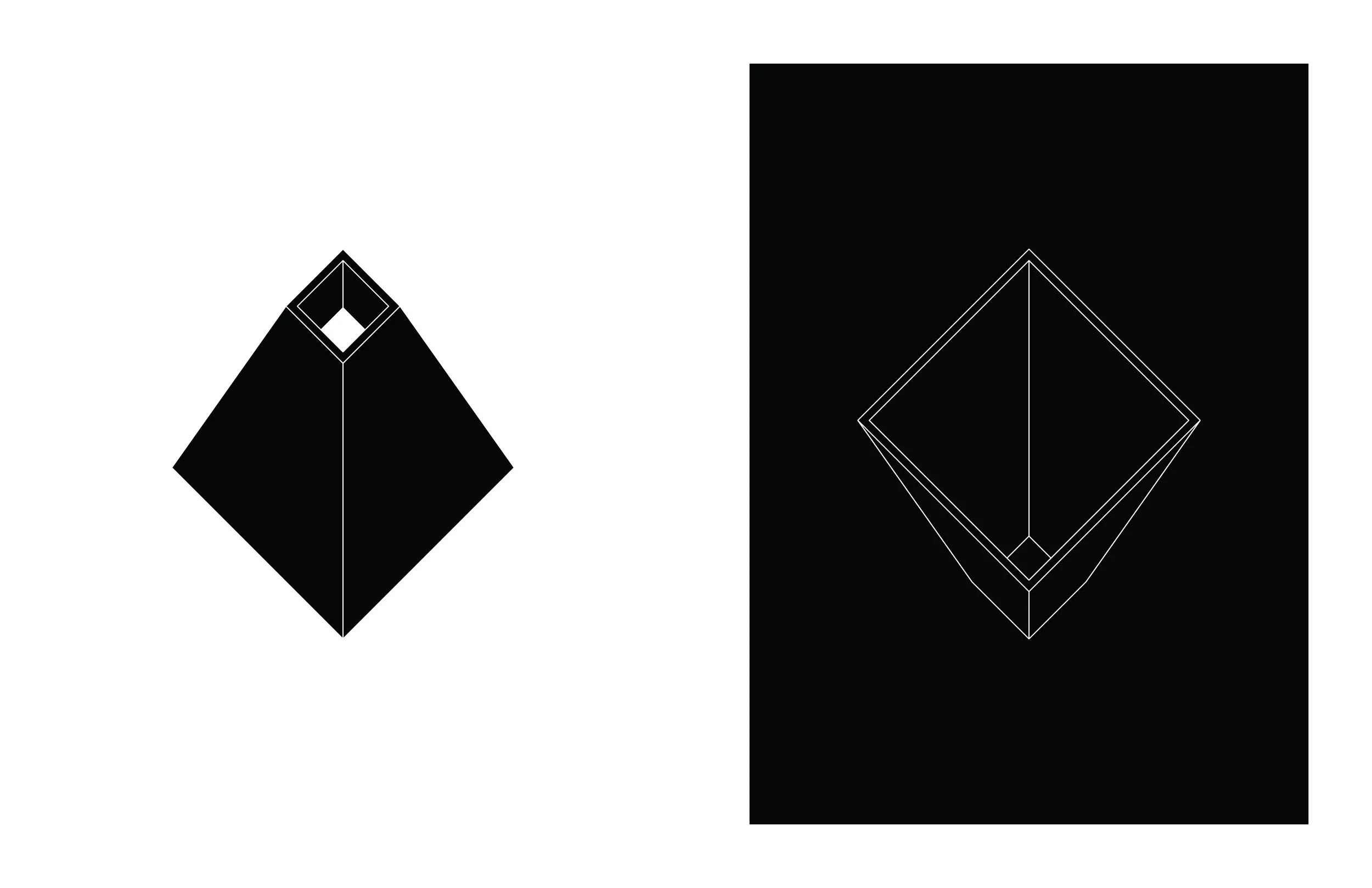
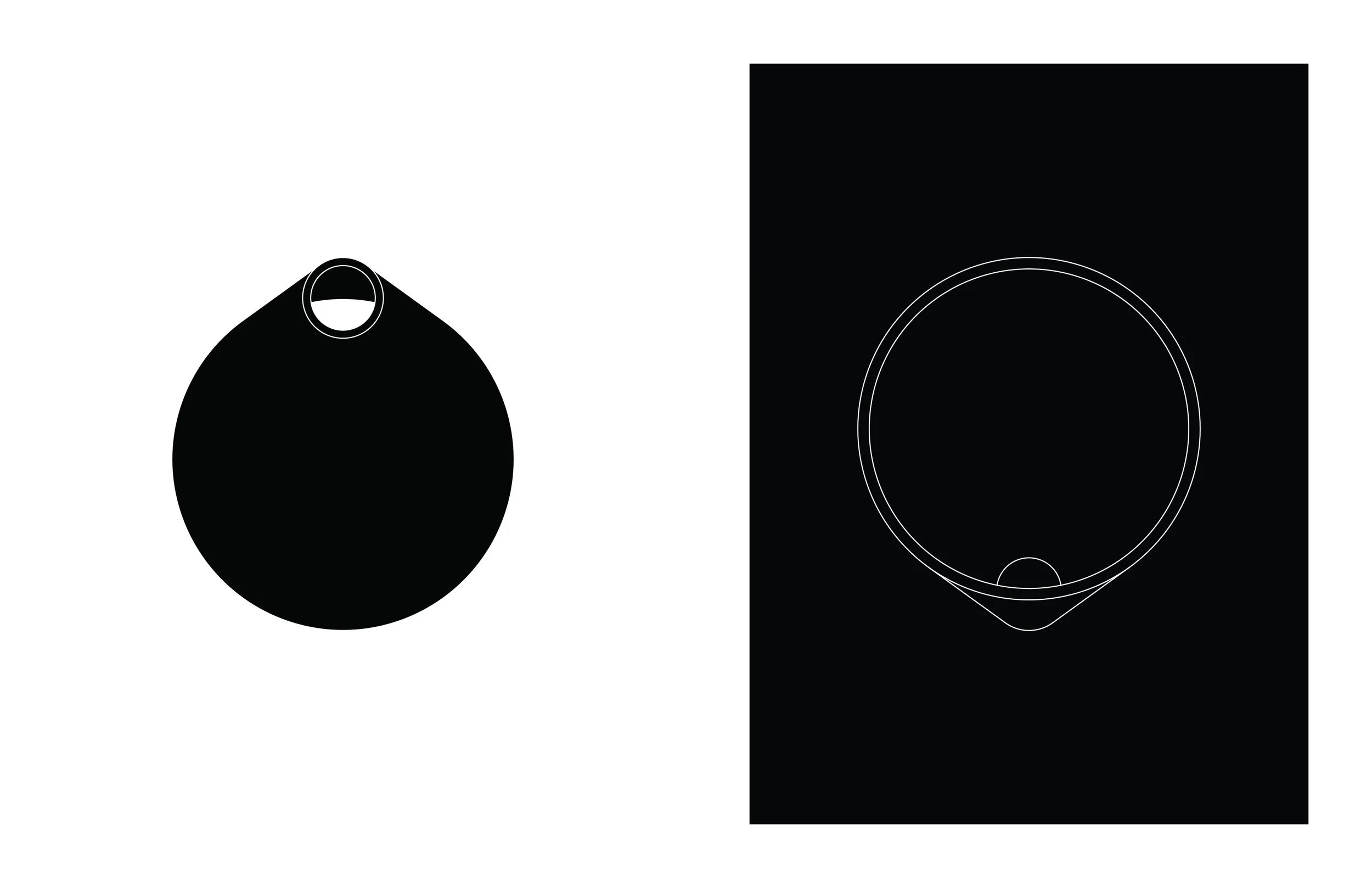
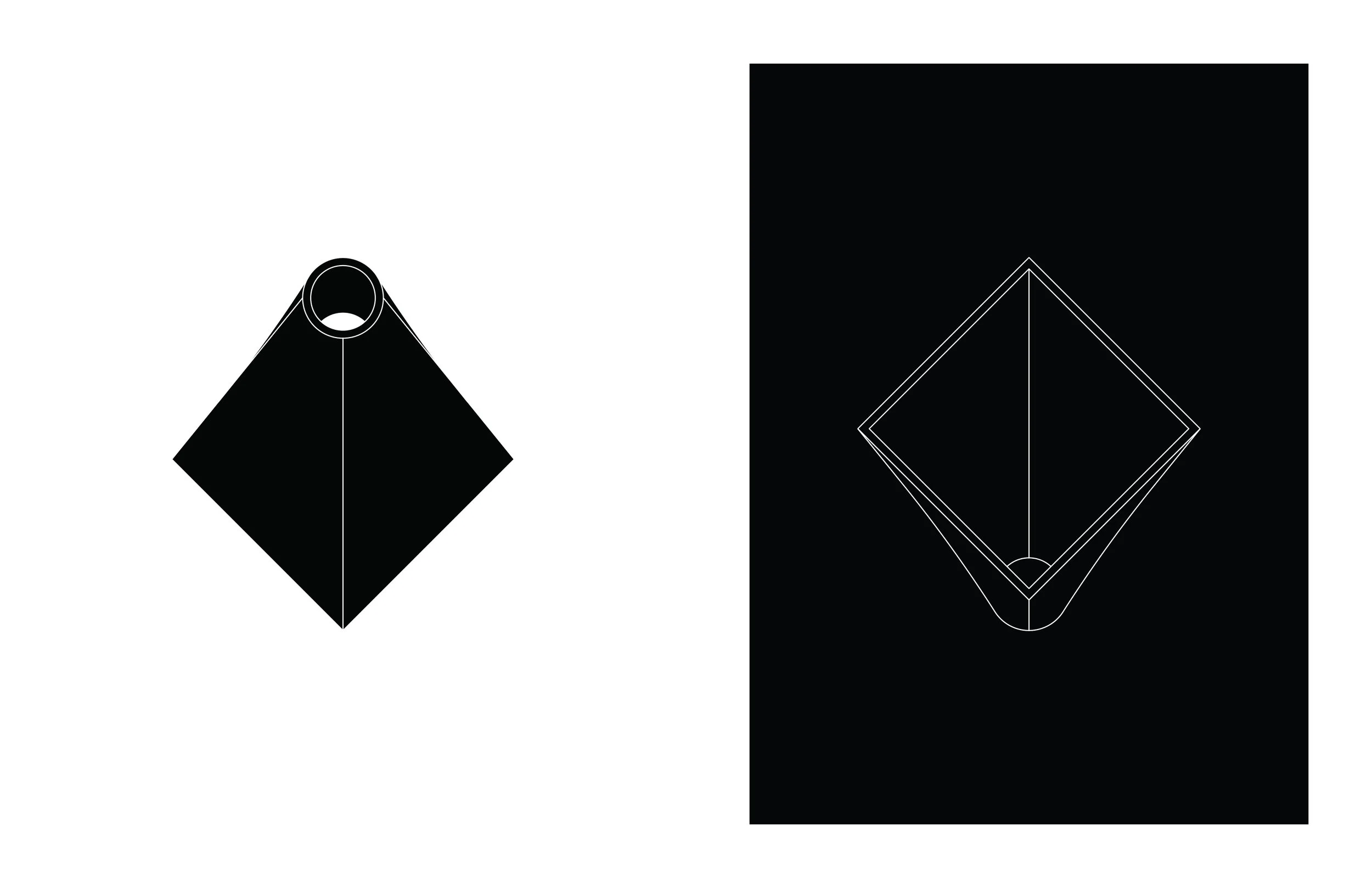
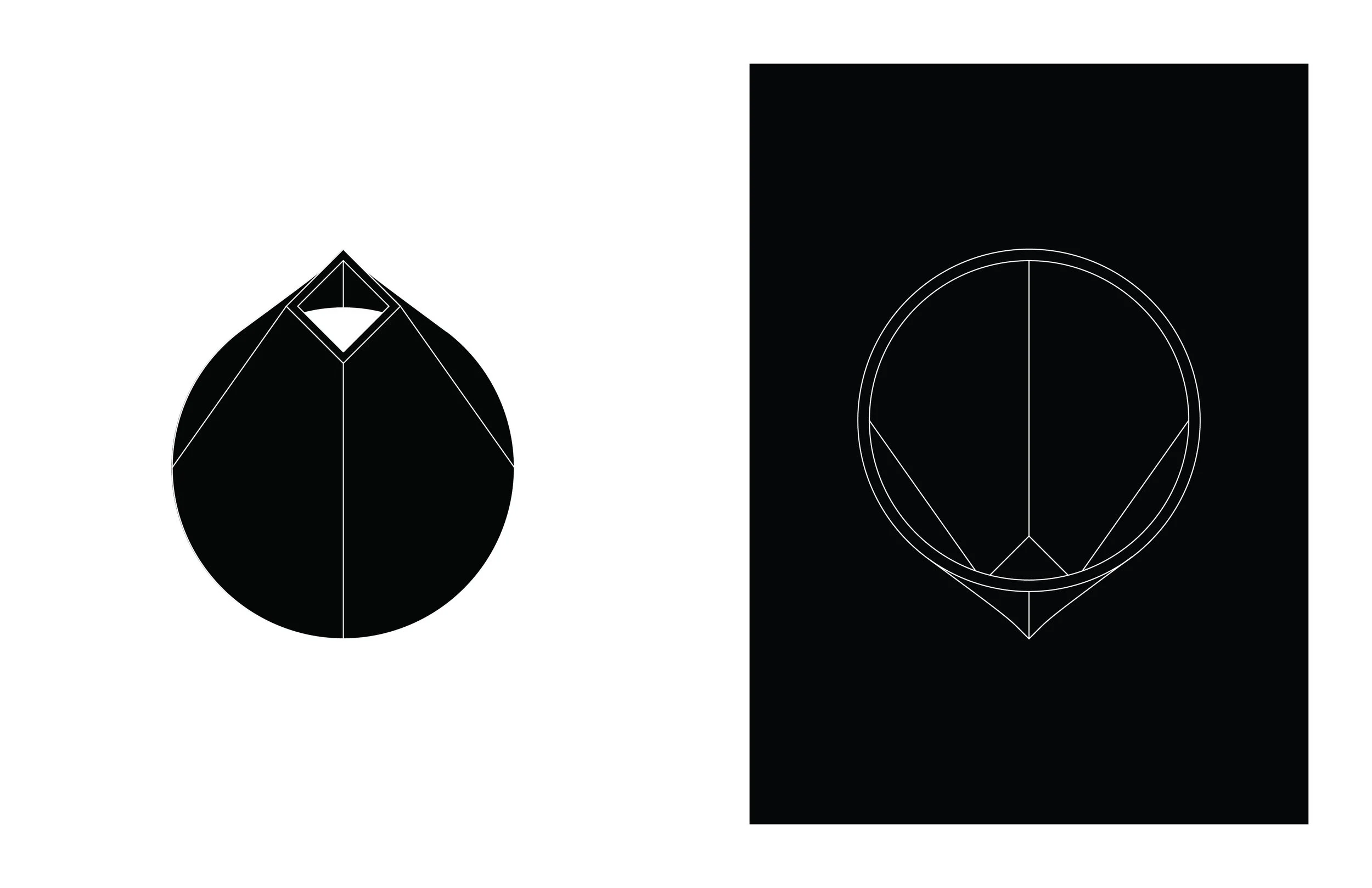
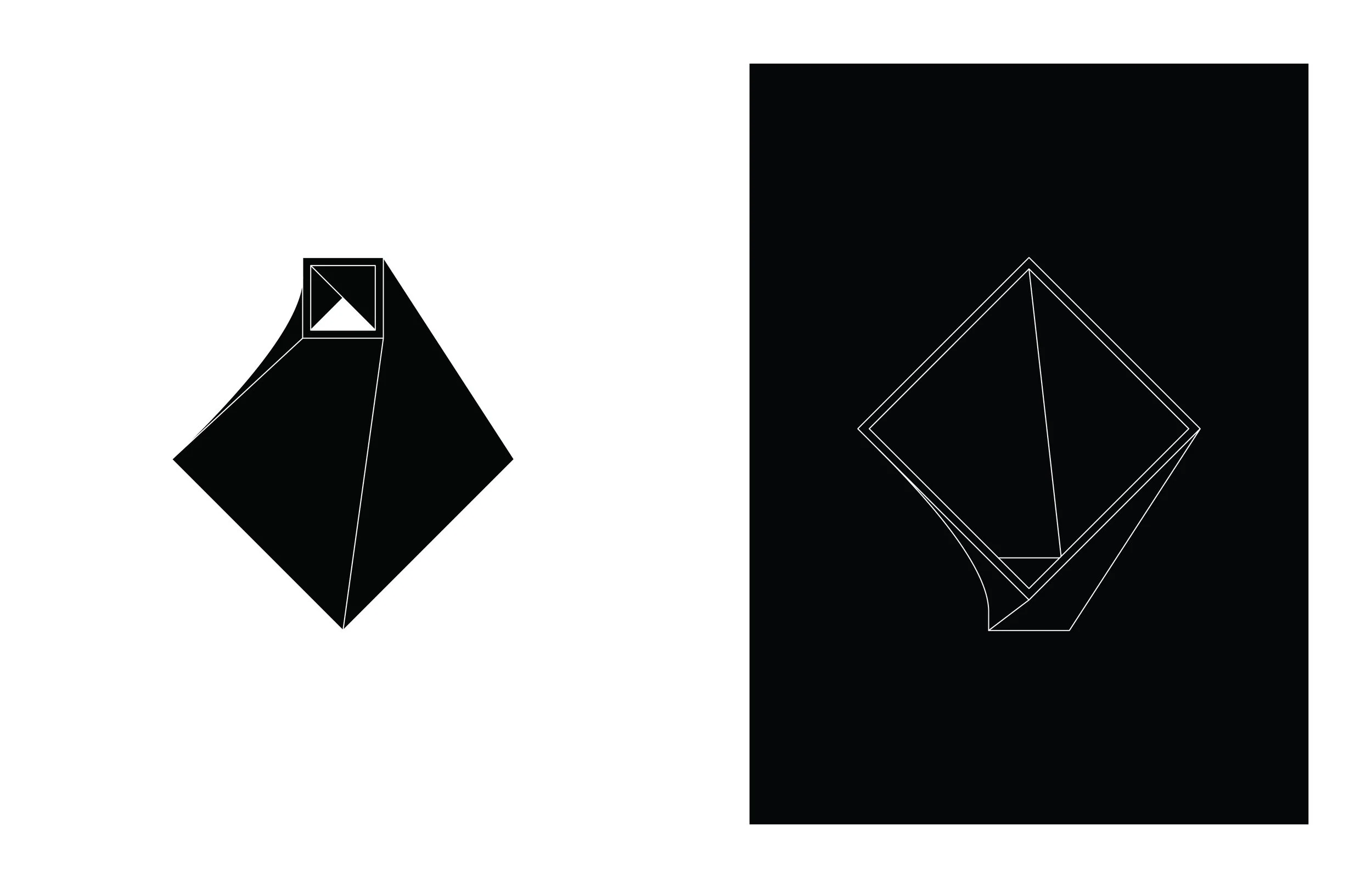
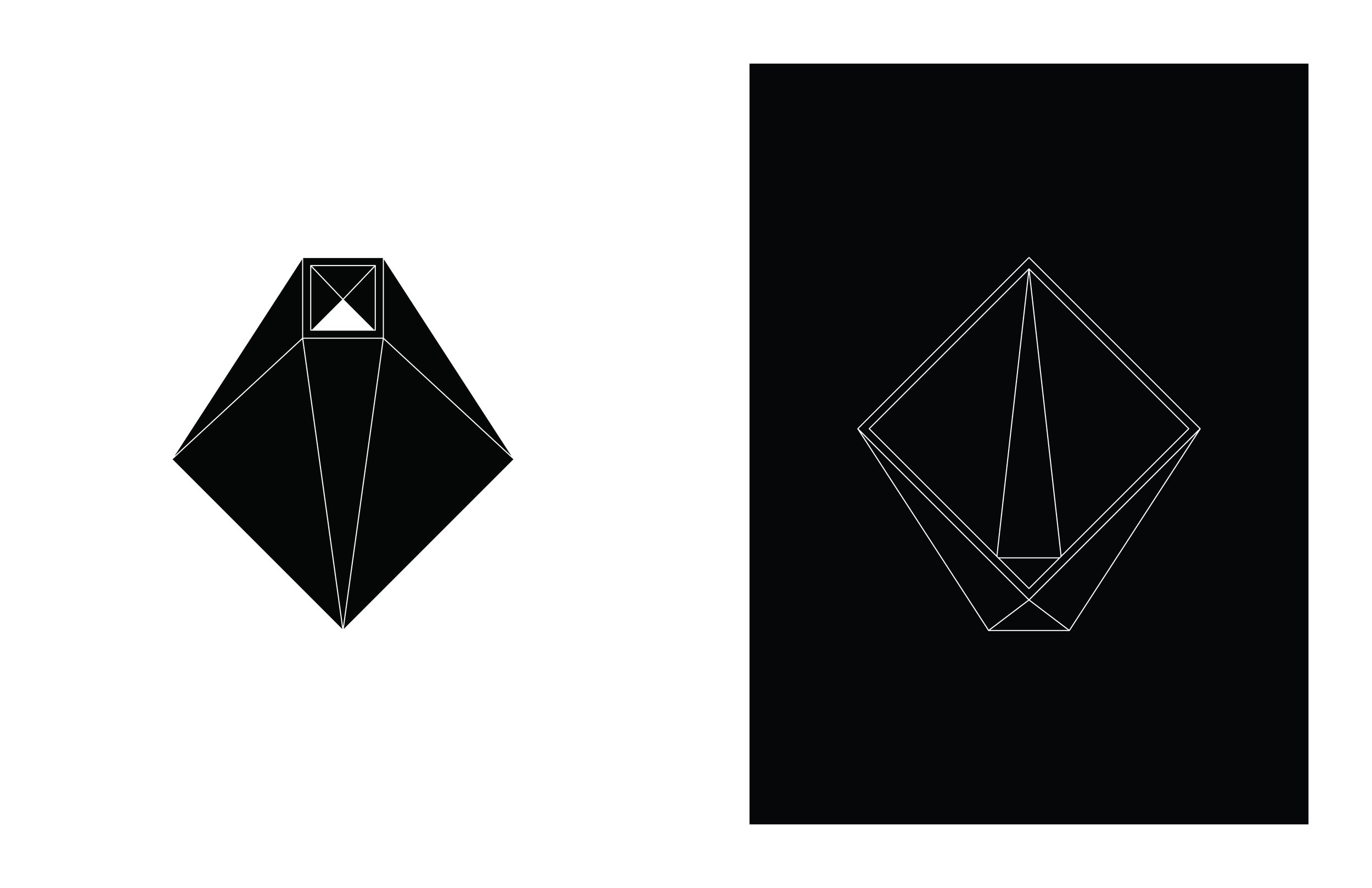
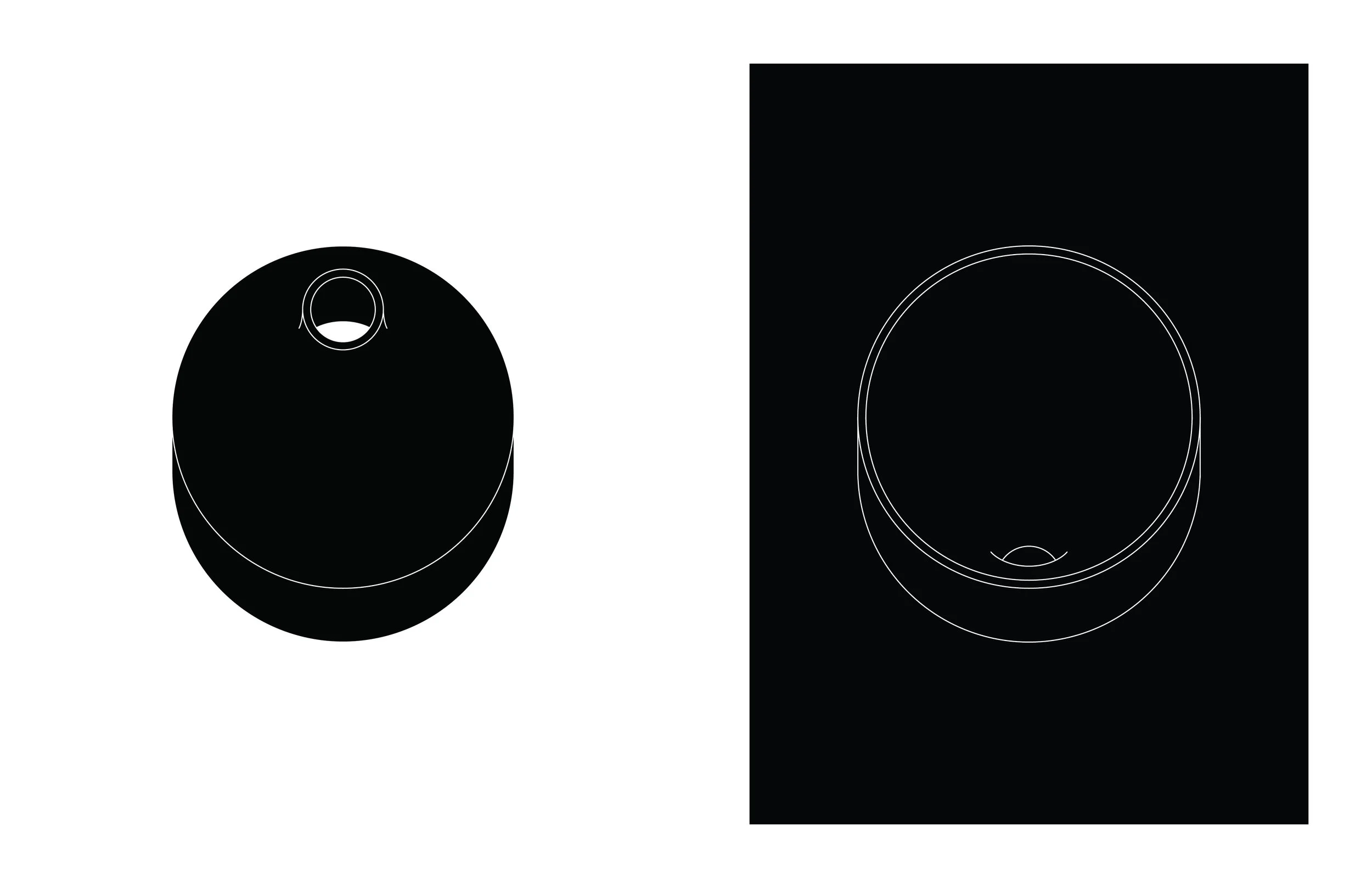
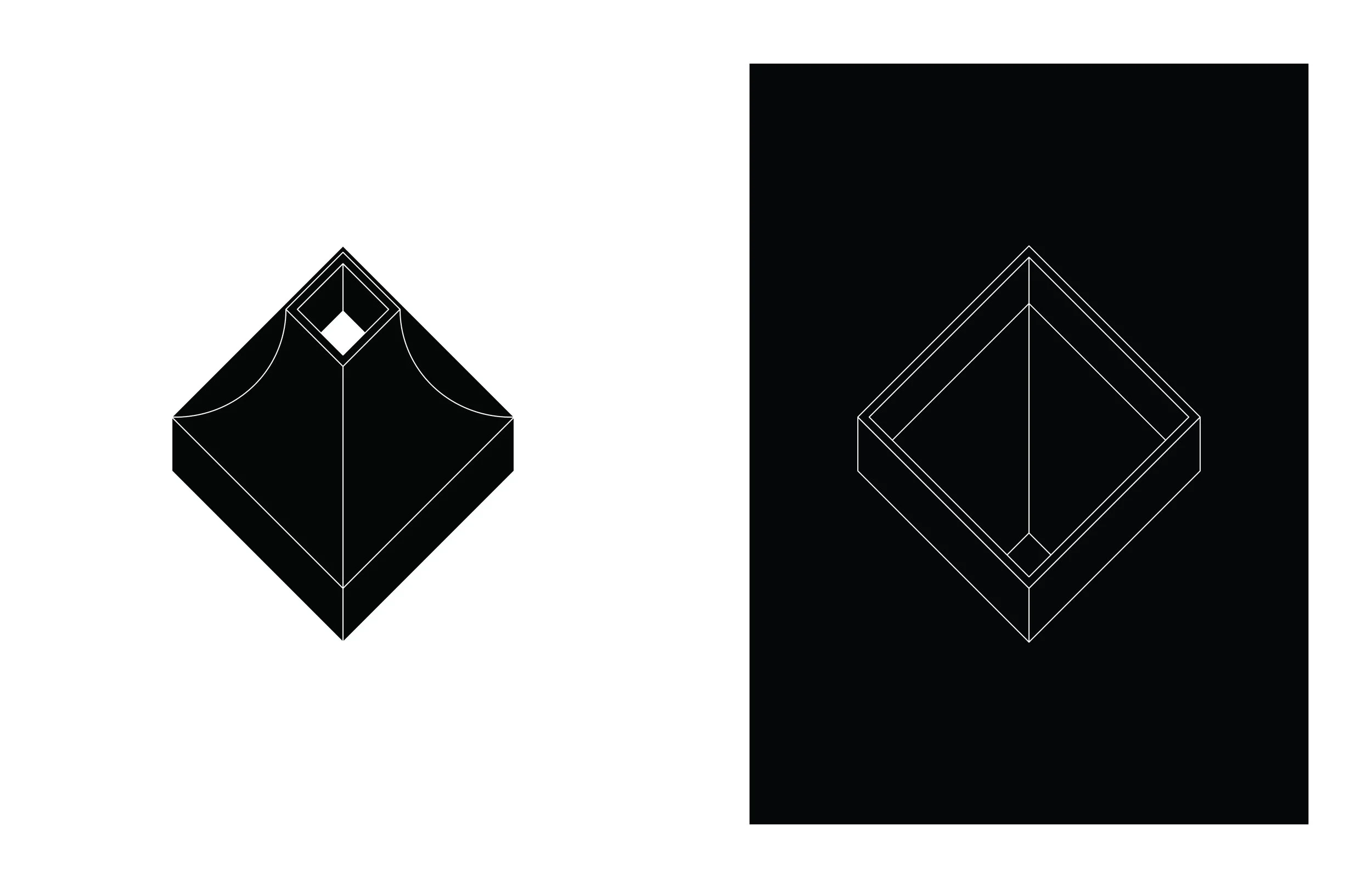
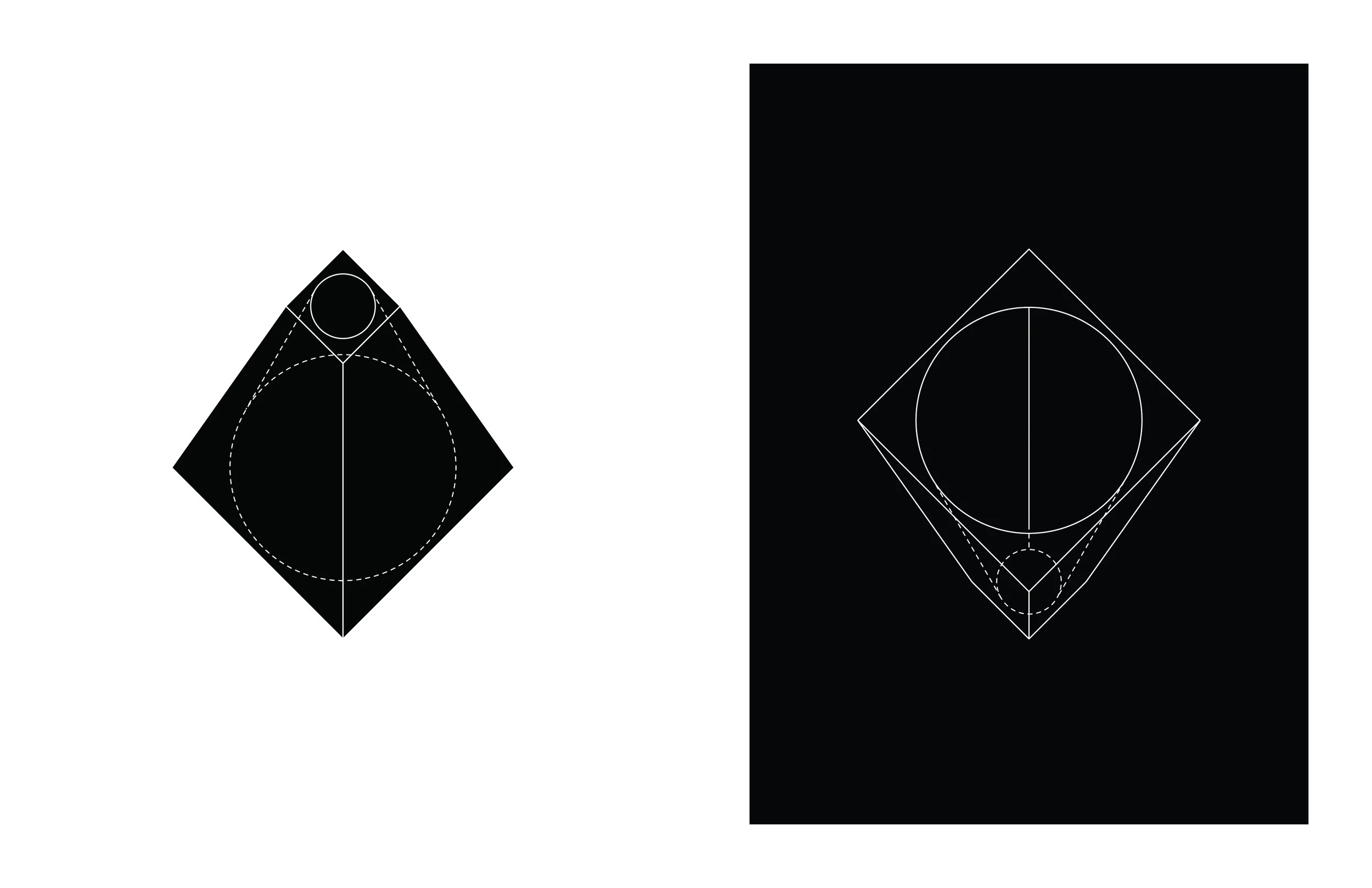
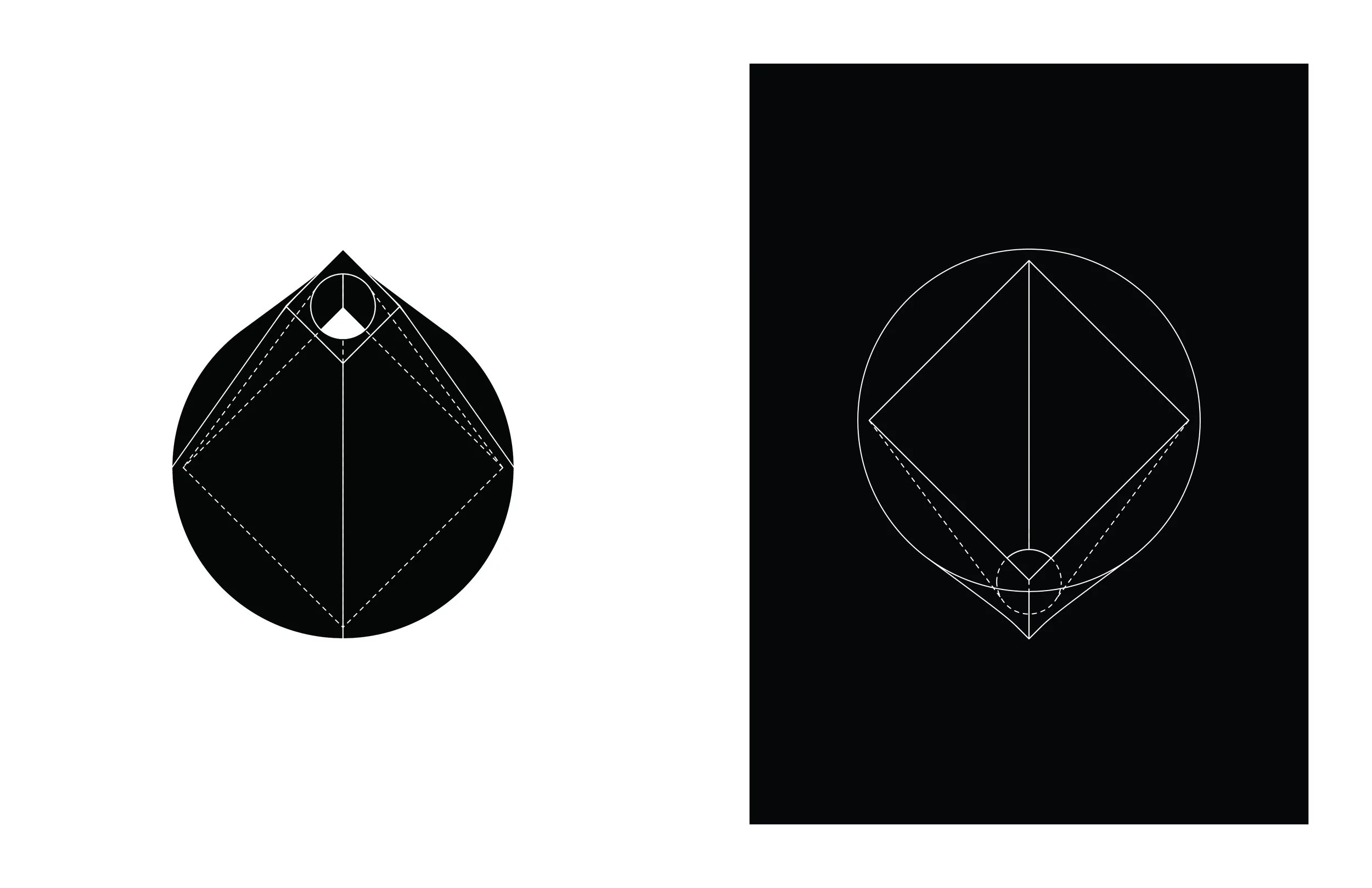
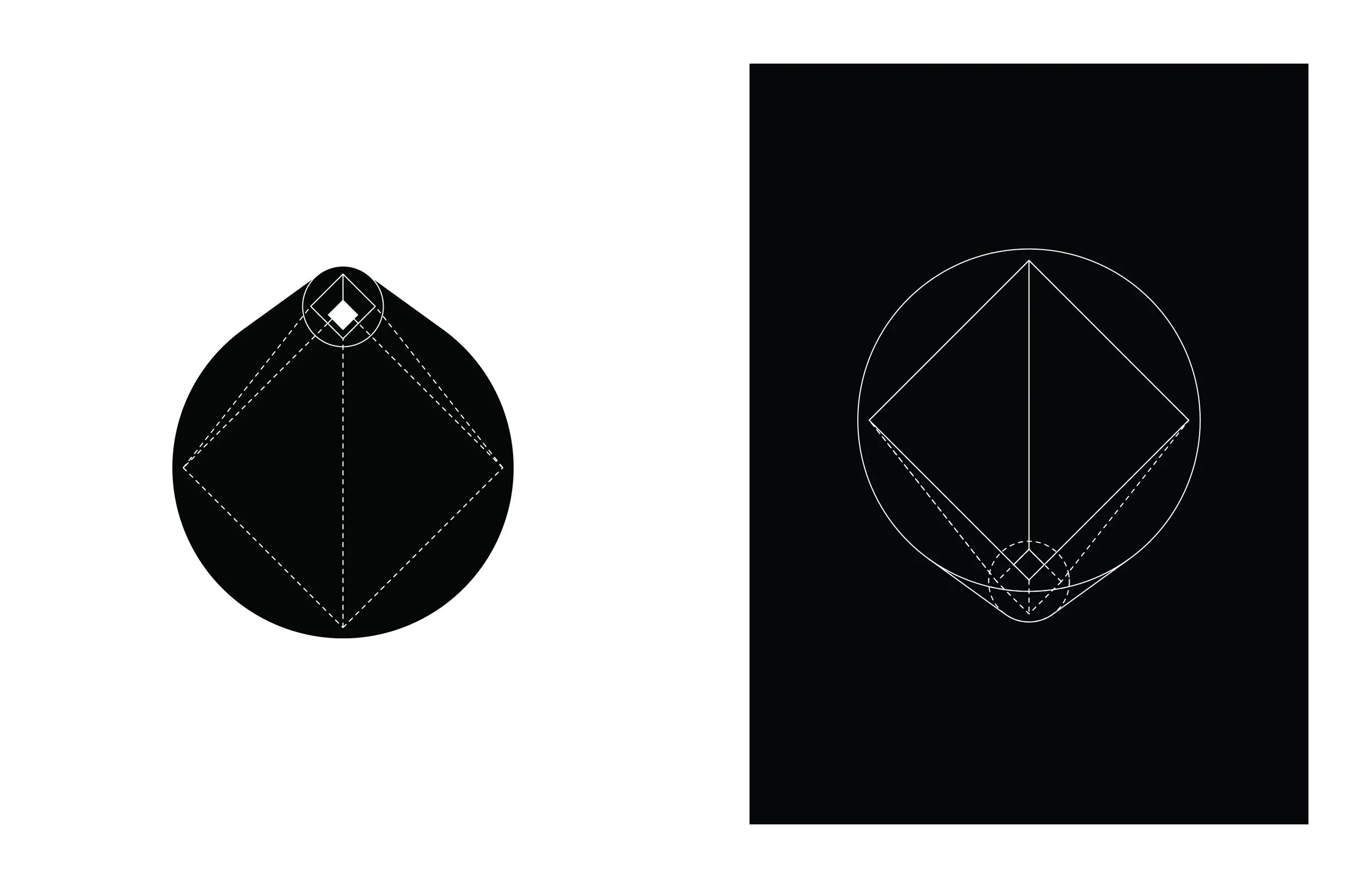
The iconic design principle “form follows function” was coined by the influential American architect Louis Sullivan in his 1896 essay, The Tall Office Building Artistically Considered. A different reading of the phrase emerges when the meaning of “function” is shifted from utility to the realm of mathematics and geometry, where a function describes a process of transformation. In higher mathematics, geometric transformations operate by taking a point in a plane as an input and producing a new, transformed point as an output. The idea of form generated through transformation across a distance serves as the basis for this series. The dome of the Pantheon, for example, can be understood as the transformation of a circle in plan from a larger diameter to a smaller one along a vertical semicircular path. Taking this geometric operation as a point of departure, a series of domes with oculi can be generated by transforming squares or circles through straight-line vertical trajectories. Additional variations emerge through different combinations of square and circular geometries as starting and ending conditions. Replacing straight-line transformations with curved paths produces forms with equally compelling spatial and formal qualities. Poché is introduced through the thickness of the shell by differentiating the geometry of the inner and outer surfaces.